Eco-Friendly Approaches: How E-Waste Recycling Services Are Preserving Our Planet
E-waste represents a considerable hazard to the environment, as abandoned electronic devices commonly carry harmful materials. These toxic materials have the potential to taint soil and water sources, resulting in widespread environmental harm. Electronic waste recycling programs offer an effective remedy. They successfully retrieve useful resources while simultaneously minimizing environmental pollution. Gaining insight into how these programs function and affect local communities is critical. The journey towards effective e-waste management raises critical questions about individual responsibility and collective action. What measures can be pursued from this point onward?
The Reasons E-Waste Is Damaging to the Planet
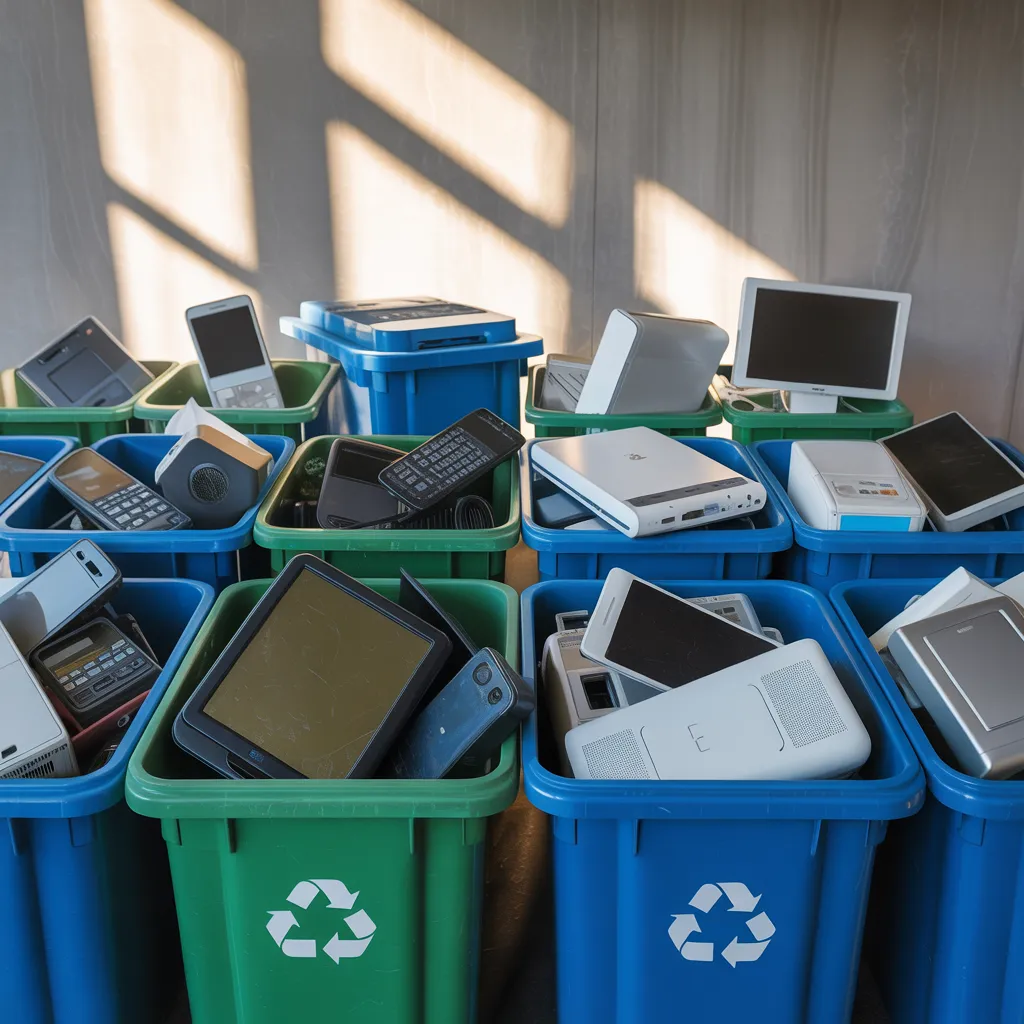
Although technology enhances modern life, electronic waste presents considerable environmental hazards. Abandoned electronic gadgets, frequently composed of hazardous materials such as lead, mercury, and cadmium, may release harmful substances into the surrounding soil and water supply, presenting dangers to both wildlife and human well-being. The swift progression of technology results in increased consumer turnover of electronics, worsening the buildup of discarded electronic materials.
Landfills, already overwhelmed with refuse, find it difficult to handle the increasing amounts of discarded devices. Incineration, a common waste management technique, emits dangerous pollutants into the environment, degrading atmospheric conditions. Moreover, poor recycling procedures can cause e-waste to be sent to developing regions, where employees may disassemble electronics without sufficient safety precautions, leaving them vulnerable to harmful substances. This pattern of negligence and mismanagement highlights the critical demand for eco-friendly recycling alternatives that can reduce the damaging impact of electronic waste on the environment.
Understanding E-Waste and Its Significance
E-waste, or electronic waste, includes discarded electronic devices including smartphones, computers, and televisions that have reached the end of their useful life. This rapidly expanding waste category is noteworthy due to its rapid accumulation, driven by technological advancements and consumer trends. As growing numbers of electronics become outdated, the toll on the environment grows more severe, with dangerous elements including lead, mercury, and cadmium presenting serious hazards to the environment and human well-being.
Addressing e-waste is crucial not only for reducing these dangers but also for acknowledging the precious materials found within it. Precious metals and rare earth elements can be recovered and reused, reducing the need for mining and conserving natural resources. By understanding e-waste and its implications, individuals and organizations can make informed decisions about disposal and recycling, ultimately contributing to a more sustainable future. Proper management of e-waste is essential for fostering a circular economy and promoting environmental stewardship.
How E-Waste Recycling Works
E-waste recycling entails a systematic process intended to extract beneficial components while minimizing environmental impact. To begin, e-waste is collected and transported to purpose-built recycling plants. After reaching the facility, the equipment is meticulously organized to isolate dangerous parts from recoverable materials.
Next, specialists take apart the electronics, removing plastics, metals, and glass. This process is vital, as it allows for the reclamation of precious metals like gold, silver, and copper, which can be reused in new electronic products.
Next, View more the divided materials are refined with advanced techniques, such as chemical treatments and shredding, to cleanse them for reuse.
Finally, the residual dangerous materials are managed properly, following environmental regulations. This systematic method not only preserves valuable resources but also reduces the dangers associated with unsafe e-waste handling, ensuring a more sustainable future for electronic consumption.
Why E-Waste Recycling Matters for You and Your Community
Though many people are unaware, the positive effects of e-waste recycling reach well past personal use to meaningfully influence entire communities. By carefully processing electronic waste, individuals play a role in creating a healthier environment, minimizing hazardous materials that can leach into soil and water. This responsible method helps preserve local ecosystems and supports public health.
Additionally, e-waste recycling promotes job creation within communities. Regional recycling centers frequently need staff for diverse activities, spanning collection through processing, thereby providing employment opportunities for community members. This not only boosts the local economy but also inspires community dedication to sustainable efforts.
Additionally, awareness of e-waste recycling may result in community outreach programs, encouraging residents to pursue greener alternatives. By enrolling in e-waste recycling programs, individuals nurture a culture of sustainability, inspiring others to follow suit. All things considered, the combined impact of these actions can lead to a more sustainable and conscientious community.
Tips for Choosing an E-Waste Recycling Service
Selecting the right e-waste disposal service is essential for making sure that electronic waste is handled in a responsible and sustainable manner. To begin, consumers should check the provider's accreditations, such as R2 and e-Stewards certifications, which demonstrate compliance with professional guidelines for secure waste disposal procedures. Additionally, it is advisable to examine the company's credibility by reviewing feedback and seeking referrals from reliable sources.
Furthermore, transparency in the recycling process is vital. A dependable service should offer detailed insights about the manner in which e-waste is managed and how the materials are utilized. Furthermore, assessing the variety of services available can be advantageous; various firms may supply retrieval services or extend benefits for recycling.
In addition, familiarizing yourself with local regulations regarding e-waste disposal can further guide the selection process. By taking these elements into account, people are able to support responsible e-waste disposal as well as promoting green and responsible behaviors.
How You Can Get Involved in E-Waste Recycling?
Participating in e-waste recycling often starts at the local level, where community recycling hubs regularly supply essential services for responsible disposal. Moreover, joining community awareness campaigns can strengthen efforts to inform others regarding the importance of responsible e-waste management. These initiatives not only promote sustainability but also build a collective sense of accountability for the environment.
Local Recycling Centers
Many neighborhood recycling stations play an essential role in e-waste recycling, supplying communities with reliable ways to discard electronic waste in an eco-friendly way. These hubs welcome a range of electronic items, including used computers, handheld devices, and televisions, ensuring that harmful materials are handled safely. Most centers are equipped with experienced team members who support individuals in understanding proper disposal practices, highlighting the value of recycling rather than landfilling. Moreover, several stations organize drop-off events or designated collection days, allowing residents to take part with ease. Through the use of these community services, people help build a circular economy, minimizing ecological impact and fostering sustainable behaviors. Working alongside these hubs enables communities to combat e-waste pollution successfully.
Community Awareness Campaigns
Community groups, educational institutions, and companies can work together to organize events that support e-waste collection drives. Dedicated participants can take a leading part in raising awareness, sharing informational resources, and connecting with local residents. Through these collective efforts, local inhabitants gain greater awareness and encouragement to properly recycle their e-waste, ultimately contributing to a more sustainable future.
Frequently Asked Questions
What Types of Electronics Can Be Recycled?
Various electronics are able to be recycled, including laptops, televisions, smartphones, printers, computers, and gaming consoles. In addition, ancillary devices such as keyboards, mice, and batteries are well-suited for recycling, supporting sustainable environmental practices.
Do Any Costs Come With E-Waste Recycling?
Indeed, e-waste recycling can include charges, depending on the facility. Some facilities impose charges for pickup or handling, while some providers provide no-cost solutions, often subsidized by the proceeds from salvaged materials.
How Can Businesses Benefit From E-Waste Recycling?
Businesses can benefit from e-waste recycling by reducing disposal costs, improving their green reputation, complying with regulations, recovering valuable materials, and potentially generating revenue through resale, ultimately contributing to a more sustainable operational strategy.
What Happens to Data on Recycled Devices?
Information on repurposed devices is commonly irretrievably wiped or eliminated throughout the recycling process. This confirms private details is kept safe, preventing unauthorized access while permitting components to be recycled safely and responsibly across new manufacturing processes.
Are Broken Electronics Eligible for Recycling?
Indeed, damaged electronics can be recycled. Many recycling centers process non-functioning devices, ensuring safe disposal and retrieval of recoverable materials. It helps minimize harm to the environment while promoting sustainable recycling habits to handle e-waste efficiently.